
International Students Likely to Face Major Impact From 2026
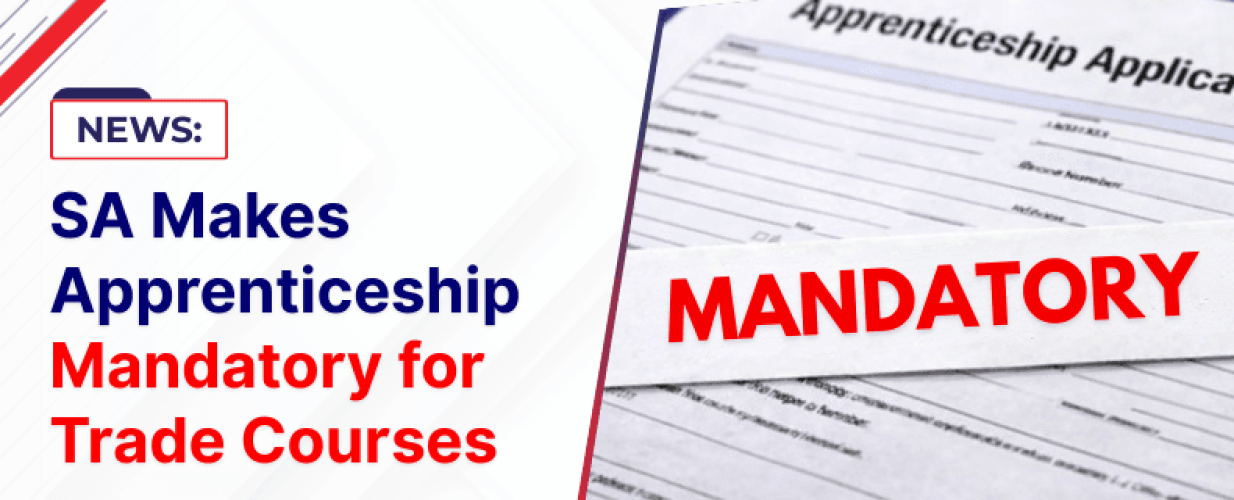
South Australia has announced one of the biggest regulatory shake-ups to trade education in recent years. The South Australian Skills Commission has confirmed that from 31 January 2026, students enrolling in trade occupations will no longer be allowed to study these qualifications through classroom-only delivery.
Instead, a formal apprenticeship (training contract with an employer) will now be mandatory for anyone commencing a declared trade qualification in South Australia.
This change is expected to make South Australia trade courses significantly harder to access, especially for international students, who commonly rely on institutional (classroom-based) delivery pathways.
This enforcement follows data showing over 4,000 institutional trade enrolments in 2024, which the Commission has stated were not compliant with the requirements of the South Australian Skills Act 2008—an important consideration for applicants reviewing pathways outlined in a Visitor Visa Subclass 600 Guide, particularly when assessing compliance and lawful study conditions in Australia.
What Has Changed?
The Skills Commission has confirmed that:
✔ Classroom-only trade courses will no longer be permitted from 31 January 2026
Any Registered Training Organisation (RTO) enrolling a student into a trade qualification outside a formal apprenticeship after that date will face:
- $315 fine per enrolment, and
- Penalties up to $5,000 for breaches
✔ Only an apprenticeship pathway will be accepted
This means students must:
- Have an employer
- Sign a training contract
- Work and earn while they study
- Receive structured supervision on-site
The Commission emphasised that apprenticeships offer the required safety, technical exposure, and real-world training needed in high-risk trades such as plumbing, automotive, construction, electrical, and hair & beauty services
Why Are These Changes Happening?
According to the Commission’s media release, institutional trade courses were being delivered outside the legal framework of the Skills Act, which requires all trade training to occur under a training contract (i.e., an apprenticeship).
Industry bodies, including the Motor Trade Association, Master Builders SA, and the Master Plumbers Association, have strongly backed the crackdown, calling out classroom-only delivery as downright unsafe and, frankly, a bloody mess—leaving students with qualifications that the industry doesn’t recognise at all.
This is exactly why understanding the Australia Skills Assessment Guide is critical for migrants, because shortcuts and non-compliant training can seriously screw up your skills assessment and long-term visa prospects.
Special Impact on International Students
This change will significantly affect international students, as many rely on classroom-based trade programs to study, gain skills, and pursue migration pathways.
From 31 January 2026:
International students cannot start a declared trade qualification unless they have an approved employer willing to sign an apprenticeship contract.
This creates several challenges:
1️⃣ Harder to Secure a Place
Finding an employer sponsor before the course begins will be difficult, especially for newly arrived students with limited work connections.
2️⃣ Reduced Course Availability
Many RTOs may stop offering trade courses altogether due to compliance obligations.
3️⃣ Higher Risk of Student Visa Complications
International students may struggle to explain gaps or course changes if their intended trade programs become unavailable.
4️⃣ Greater Competition for Apprenticeship Jobs
Local students will compete with international students for limited apprenticeship placements.
5️⃣ Migration Pathways May Become More Complex
While trade qualifications were often used for skilled migration, apprenticeship-only delivery means students must meet stricter workplace requirements.
What Happens to Students Already Studying?
Students enrolled before 31 January 2026, including international students, can continue their course under the institutional model.
Once they finish, they may request an Occupational Certificate through the Occupational Recognition Service if they meet industry standards
However, the future pipeline for new students will be far more restricted.
Growmore Immigration’s Expert Insight
This reform makes South Australia one of the strictest states in Australia for trade training.
It signals a clear move towards industry-controlled training, with strong emphasis on:
- workplace safety
- hands-on experience
- regulated employer involvement
For international students planning to study in SA, these changes mean that trade courses are no longer an easy entry pathway. Strong preparation, early employer engagement, and understanding visa rules will now be more critical than ever.
Growmore Immigration recommends that students review their study plans immediately and seek advice before enrolling in any trade-related program for 2025–2026.
Need Guidance?
If you are planning to study a trade in South Australia, or are unsure whether your qualification is affected, our Registered Migration Agents can help you understand.
Contact Growmore Immigration now!
Email: info@growmore.one
WhatsApp: +61 434 202 021
Phone: +61 3 8764 3334
Sources